Branding / Graphic Design / Art Direction / Advertising / Strategy / Editorial Design / Photography
There was once a time, brief, shining, and typographically optimistic, when humanity dared to ask its questions with enthusiasm. When astonishment and curiosity could occupy the same breath without shame or grammatical contortion. It was 1962. The Beatles had not yet conquered America, but optimism was in the air, martinis were flowing, and advertising was king. On Madison Avenue, a man named Martin K. Speckter looked upon the landscape of punctuation and thought, surely, we can do better than this. Speckter, an advertising executive by trade, was troubled by inefficiency, not in the marketplace, but in the sentence. Why, he wondered, must one choose between the questioning ? and the exclaiming ! when both were so clearly called for? Why must emotion be divided by typography? Why couldn’t the written word contain both disbelief and wonder in a single, dignified symbol?
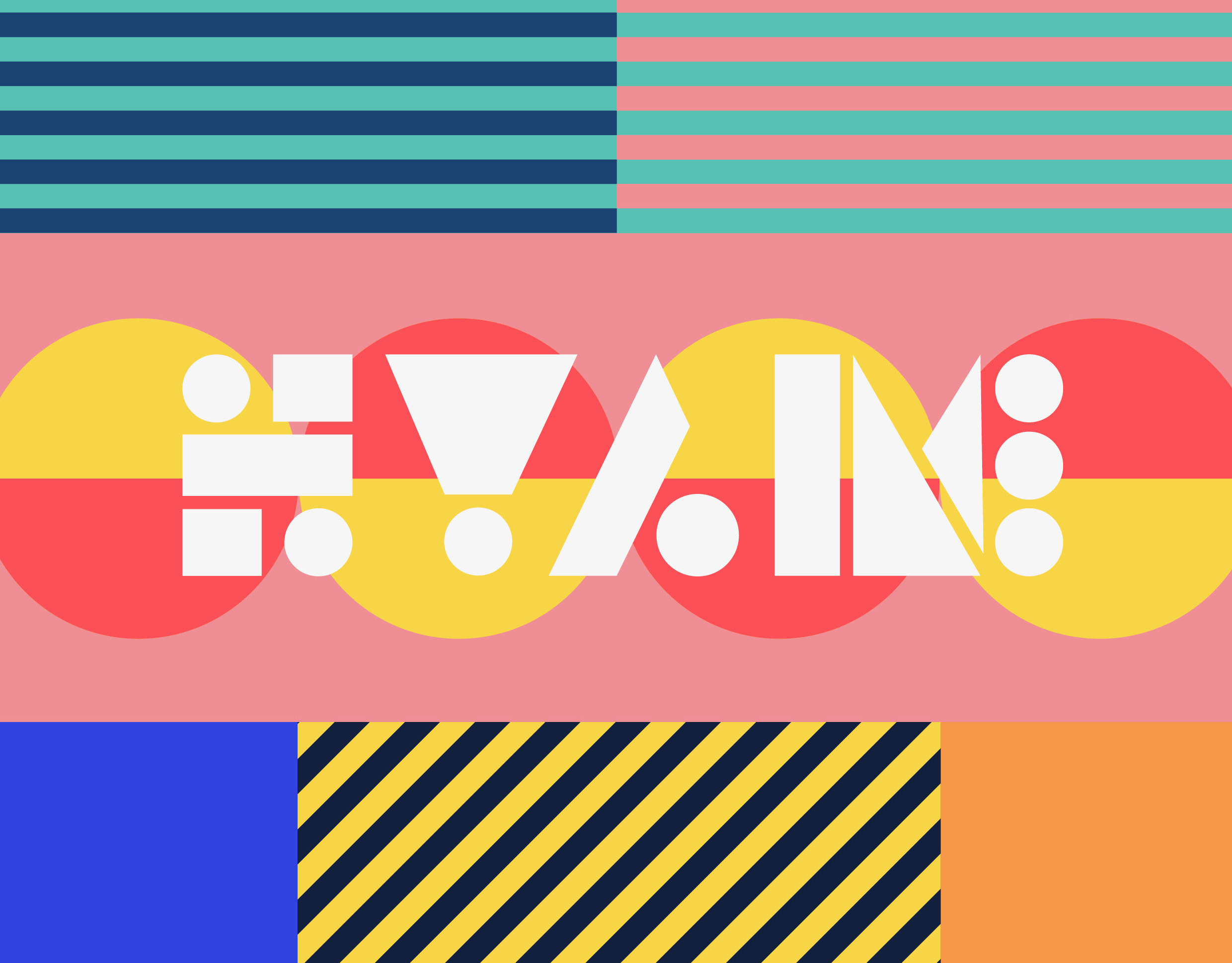
And thus, the interrobang was born; the lovechild of the question mark and the exclamation mark. Even its name had style. Interro from interrogation; bang from the typesetters’ slang for an exclamation mark. Together, they made a word that sounds like it belongs on a comic book cover, half Batman sound effect, half linguistic revolution. The interrobang. A mark so visually satisfying, so efficient, so perfectly attuned to human exasperation that one wonders how civilisation managed without it for so long. “You paid how much for a haircut‽” “They actually elected him again‽”.
For a brief, glorious moment, the interrobang had its shot at immortality. TIME magazine wrote about it. Type foundries included it in new fonts. Remington typewriters even featured it on select models. Designers embraced it as the punctuation of the future; sleek, witty, and entirely modern. But language, like fashion, is cruel. What seems daring one decade becomes decorative the next. The interrobang, despite its charm, began to fade. Teachers ignored it. Publishers overlooked it. Style guides, those grim wardens of prose, treated it as a typographical novelty, a curiosity unworthy of formal writing. Slowly, it disappeared, surviving only as an obscure entry in Unicode tables and the hearts of typographic romantics.
And yet, here’s the ironic punchline, if ever there were an age destined for the interrobang, it is ours. We live in an era of WTF?!, OMG?!, and ARE YOU SERIOUS?! The internet has given us infinite platforms for disbelief. Our feeds are an endless parade of things to question, denounce, or exclaim about, often all at once. Outrage has become our lingua franca; incredulity our default mode. Every tweet is a mixture of question and accusation. Every comment section is a battlefield of rhetorical punctuation. We live in the house that the interrobang built, but without the furniture. Instead, we stack question marks and exclamation marks together like linguistic Lego, desperately recreating a symbol we once had but chose to forget. How fitting, and how foolish, that the perfect mark for our manic, performative age has vanished just when we need it most.
Consider the modern condition. We scroll through crazy headlines, and how do we respond? Not with calm analysis, but with a digital howl of disbelief, ?! or !!!??!, a chaotic typographical explosion that would make poor Martin Speckter weep. The interrobang was supposed to save us from this. It was designed to capture exactly this feeling: that mixture of shock and curiosity, that startled demand for explanation. But perhaps that’s precisely why it failed. The interrobang is elegant, too elegant, maybe, for a world that thrives on outrage rather than articulation. In an age of perpetual reaction, there’s little room for punctuation that suggests both thought and feeling.
The interrobang invites us to wonder as well as to protest. It is punctuation with emotional intelligence, and that, tragically, has gone out of style. And yet, I can’t help imagining what a revival might look like. Imagine journalists wielding it in headlines, novelists sprinkling it in dialogue, texters rediscovering it as the ultimate shorthand for digital disbelief. It’s cleaner than ?!, cleverer than emojis, and infinitely more human than all-caps rage. The interrobang doesn’t just shout or ask, it reacts. It breathes. It captures the bewildered astonishment of being alive in the twenty-first century, where truth is stranger than fiction and fiction is frequently mistaken for news. Perhaps it’s time, then, for punctuation to reclaim some of its drama. We have a symbol for the full stop, for the pause, for the aside, for the sigh, but not for the gasp. The interrobang is the gasp of punctuation, the verbal equivalent of that split second when your eyebrows rise and your mouth opens and you can’t decide whether to laugh, scream, or ask for clarification. So let us bring it back. Let us resurrect the mark that best represents our modern confusion, not the shrill rage of endless exclamation points, not the timid uncertainty of lonely question marks, but the perfect synthesis of both. After all, we live in an age where reality itself often reads like satire, and where every scroll of the newsfeed leaves us muttering, “Really‽”.
So I ask you, why not make room again for the interrobang‽